October 14, 2024
Internal Mentoring

Internal mentoring - sometimes called professional mentoring - dedicates an expert individual or mentor inside the institution to support and guide a colleague from the same organization. It builds the mentee's professional and personal skills, sharpening workplace efficiency. In modern companies, internal mentoring is among the most powerful tools for employee productivity and sustained professional growth - lifting individual performance and delivering institutional goals more effectively.
It is a valuable investment in people: internal mentoring connects new or less-experienced employees with seasoned colleagues, creating a sustainable, supportive learning environment. This article details its core benefits, best implementation practices, and how it improves employee and institutional performance overall.
Internal Mentoring Goals: Stronger Performance and Skills
Internal mentoring effectively improves individual and collective employee performance - strengthening team collaboration and building skills in step with organizational culture and shifting needs.
Chief among its goals is better employee performance: growing job and personal skills raises productivity and quality at every institutional level. Guidance and practical advice help employees solve problems more effectively and contribute more to organizational targets.
It also deepens team collaboration through a shared learning environment of exchanged expertise. This mentoring breaks barriers, building an integrated, cohesive team ready for shared challenges and goals.
And it grows skills aligned with institutional values and culture - ensuring employees excel at their jobs while embodying the organization's core principles and aims.
Internal Mentoring Benefits: Effective Talent Development
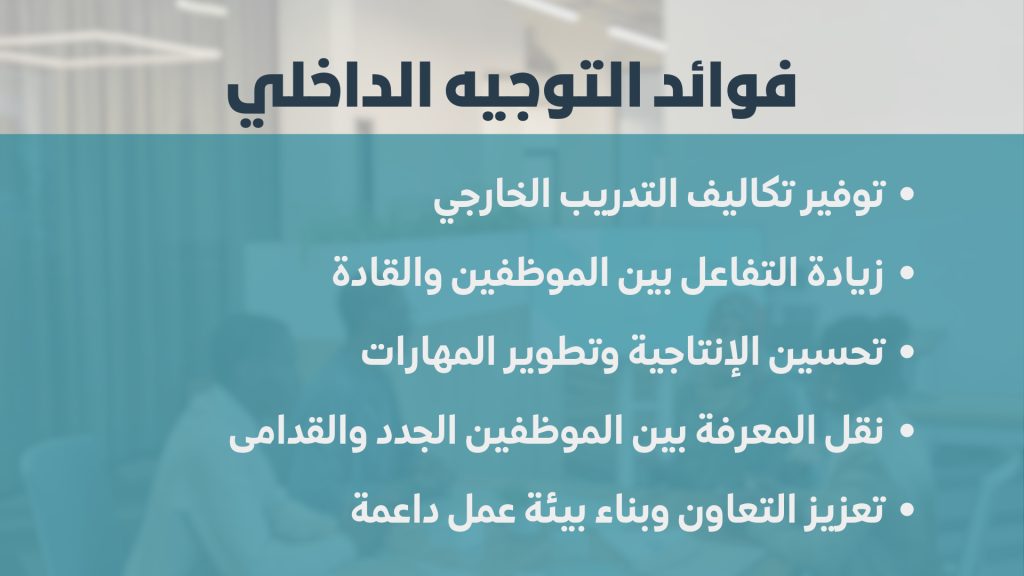
Internal mentoring delivers wide benefits for performance and sustainable institutional growth - first, financial savings. Built on existing human resources, it removes the need for external consultants or costly programs, maximizing staff expertise without extra budgets.
Beyond savings, it raises engagement and integration. Stronger bonds between employees and leaders create a collaborative workplace of open, continuous communication - deepening belonging and motivating greater contribution to institutional goals.
It is also central to productivity: skills honed to organizational needs leave employees readier for daily challenges and higher performance.
Knowledge transfer matters too - newcomers absorb colleagues' experience, accelerating onboarding and efficiency, while continuous exchange across employee generations sustains institutional knowledge.
Internal Mentoring Methods: Growing Professional Development
Internal mentoring methods vary with work nature and employee needs - notably the internal career mentor: experienced staff guiding newer or less-experienced colleagues. New hires gain practical, direct support from people who know the work and culture intimately. Career mentors steer employees correctly and grow their skills and competence.
On-the-job training is another effective method, unfolding within daily activities. Employees learn and develop in real time while performing - improving directly and applicably, with tangible results in short order.
1:1 mentoring sessions rank among the most effective methods: dedicated mentor time to discuss work challenges and grow practical and personal skills. Personalized sessions accelerate career growth.
Challenges of internal mentoring: obstacles needing innovative solutions
Despite its great benefits, internal mentoring faces challenges that can hinder effective implementation - chiefly insufficient in-house expertise. Organizations sometimes struggle to find employees experienced enough to guide newer colleagues, weakening quality and program outcomes.
Employee resistance to change is another hurdle. Some staff - mentors or mentees - may resist guidance or changes to their usual patterns from fear of failure or distrust of the process. Educating employees on mentoring's benefits and encouraging engagement therefore matters.
Measuring Internal Mentoring Effectiveness: Performance and Engagement Indicators
Accurate, objective measurement needs indicators tracking individual and collective impact - notably employee performance. Pre- and post-mentoring reviews plus periodic appraisals against set goals reveal skill and competence growth clearly.
Productivity gains are another key signal: tangible organization-wide results. Analyzing output metrics like completion rates and task speed strongly evidences mentoring's performance impact.
Employee engagement with training programs reflects effectiveness too. Active participation and appetite for new skills show mentoring meets their needs - surveys and feedback further gauge satisfaction and benefit.
Finally, retention indirectly signals internal mentoring success. Supported employees developing toward career goals stay longer, cutting turnover.
Internal Mentoring: A Strategic Investment in UpLevel Competencies
Internal mentoring is among the most effective tools institutions use to boost performance and skills. At a company like UpLevel - delivering comprehensive training and development - it is core to strategies lifting workforce efficiency and team collaboration. Beyond onboarding, it improves productivity, transfers knowledge, and builds an interconnected workplace driving innovation and professional excellence.
Internal Mentoring Goals: Stronger Performance and Skills
At UpLevel, internal mentoring primarily improves employee performance - guiding individuals' job and personal skills. That raises productivity and work quality, driving institutional goals more effectively. It also deepens team collaboration through daily knowledge and experience exchange, building cohesive, effective teams.
Another goal is culture-aligned skill-building. At UpLevel, employees gain skills advancing institutional vision and values - a dynamic workplace where staff are both professionally excellent and fully immersed in organizational culture.
Internal Mentoring Benefits: Effective Talent Development
At UpLevel, internal mentoring carries strategic benefits - first, financial savings. Using internal resources avoids external trainers or costly programs, sustainably redirecting resources to in-house competence development.
It also raises engagement and integration - stronger employee-leader bonds, team spirit, and collaboration. The more employees interact, the readier they share ideas and pursue shared goals.
Productivity gains are another pivotal benefit. Continuous support and guidance sharpen skills to institutional needs - raising output and work quality, improving overall performance.
Finally, internal mentoring powerfully transfers knowledge across employee generations. Newcomers learn from veterans, sustaining organizational learning and stability for long-term success.
Internal Mentoring Methods at UpLevel
At UpLevel, internal mentoring methods ensure every employee benefits from available expertise - including the internal career mentor, where experienced staff guide newer colleagues. New hires learn work details and institutional dynamics faster and more effectively.
UpLevel also relies on on-the-job training through daily tasks. This applied learning during task performance improves employees immediately.
Additionally, 1:1 mentoring sessions give employees dedicated mentor time for work challenges - personalized guidance growing practical and personal skills to individual needs.
Challenges of Internal Mentoring: Obstacles Needing Innovative Solutions
Despite many benefits, institutions like UpLevel face challenges - including insufficient in-house expertise. Organizations sometimes struggle to find experienced guides for newer colleagues. The answer: internal training programs developing mentoring skills in current leaders.
Employee resistance to change is another challenge - some staff resist guidance or fear change. UpLevel must build an open learning culture framing mentoring as professional opportunity, not constraint.
Measuring Internal Mentoring Effectiveness: Performance and Engagement Indicators
At UpLevel, indicators offer precise insight into program success - first, pre- and post-mentoring performance. Observed gains evidence program success.
Productivity growth is another gauge: team- and individual-level output analysis reveals internal mentoring's overall impact.
Employee engagement with mentoring programs matters too. Positive interaction and active session participation reflect appetite for learning - measurable via satisfaction surveys or participation rates.
Finally, retention indirectly signals internal mentoring success. Continuously supported, motivated employees stay longer, cutting turnover.
Internal Mentoring: The Secret to Sustainable Professional Success
Internal mentoring is among the most important tools modern institutions use to boost performance and skills. At UpLevel, empowering employees is the key to any organization's success. Through a purpose-built internal mentoring program for diverse institutions, we deliver comprehensive solutions raising productivity and workplace integration - building competencies and guiding employees to their full potential in line with organizational aims.
What makes UpLevel's internal mentoring program the ideal choice for your company?
- A smart, integrated mentoring platform: connecting experts, employees, and HR managers in one place for efficient mentoring.
- Unique, tailored mentoring: every employee gets a plan built around personal needs and career growth.
- Advanced mentoring materials: ready, effective tools and materials for mentors and employees alike, for smooth, fruitful mentoring.
- Smart analytics and updated progress reports: periodic employee-progress tracking through smart reports that hit goals efficiently.
To learn more about embedding internal mentoring in your strategy, don't hesitate to contact us:
Email: info@uplevel.sa
Website: www.uplevel.sa